
The Wanhui-era "Funing Prefecture Gazetteer" (Ming Dynasty) records that Bailin was already the region with the highest tea production in Funing Prefecture during the Ming Dynasty.
"Tea is grown in mountain gardens everywhere, but Bailin has the most." — This passage from a historical chronicle, sealed for over 400 years, highlights Bailin Town's unique position on the Eastern Fujian tea map.
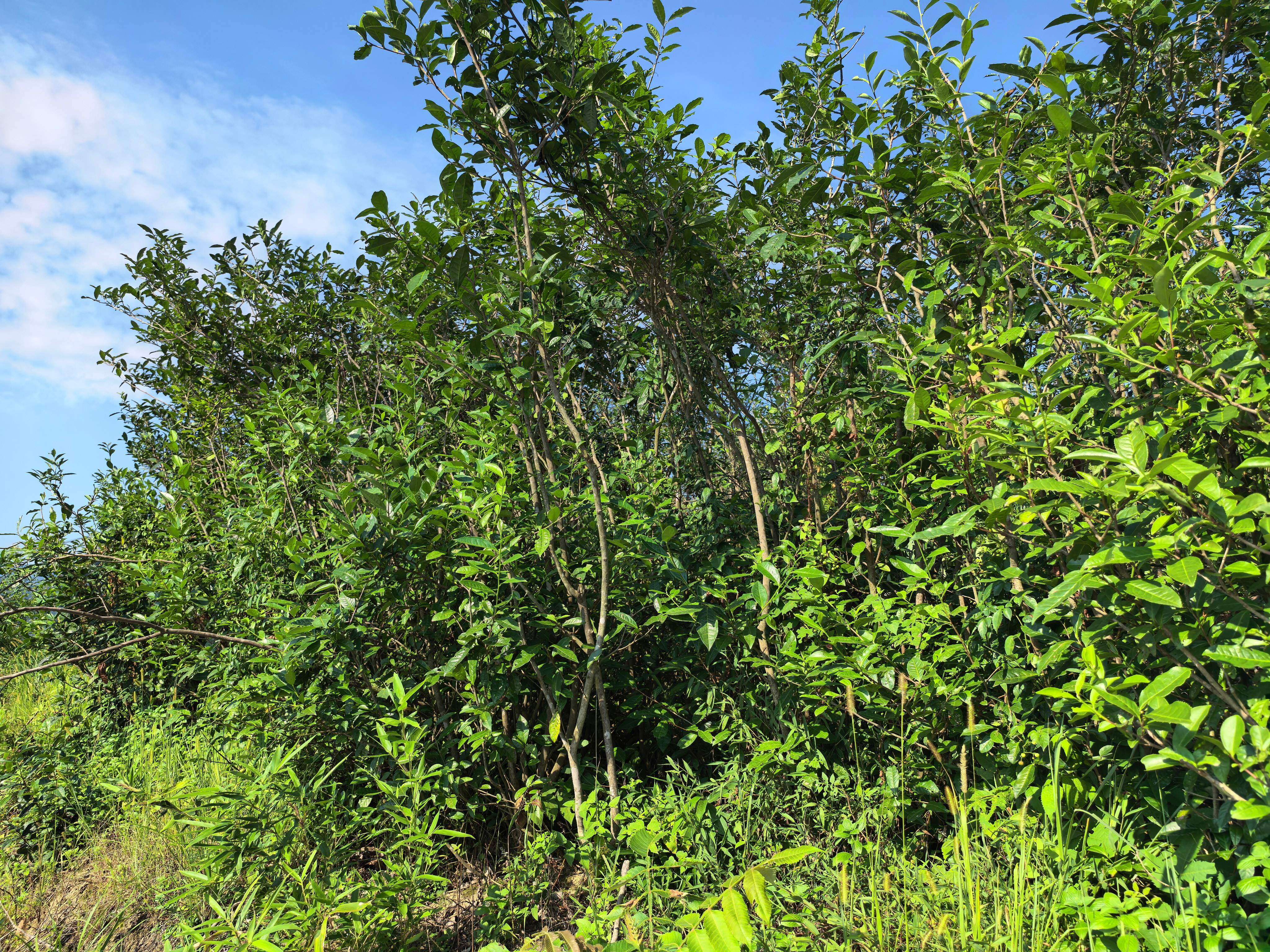
"Tea is grown in mountain gardens everywhere, but Bailin has the most." — This passage from a historical chronicle, sealed for over 400 years, highlights Bailin Town's unique position on the Eastern Fujian tea map.
"Tea is grown in both mountain and garden areas, but Bailin has the most." This passage from Volume 17 of the *Funing Prefecture Gazetteer*, compiled in the 21st year of the Wanli era (1593), highlights the true state of tea production in Funing Prefecture (now Ningde City) over four centuries ago. In just nine characters, it reveals that while tea was cultivated across mountains and fields, Bailin led the entire prefecture in output.
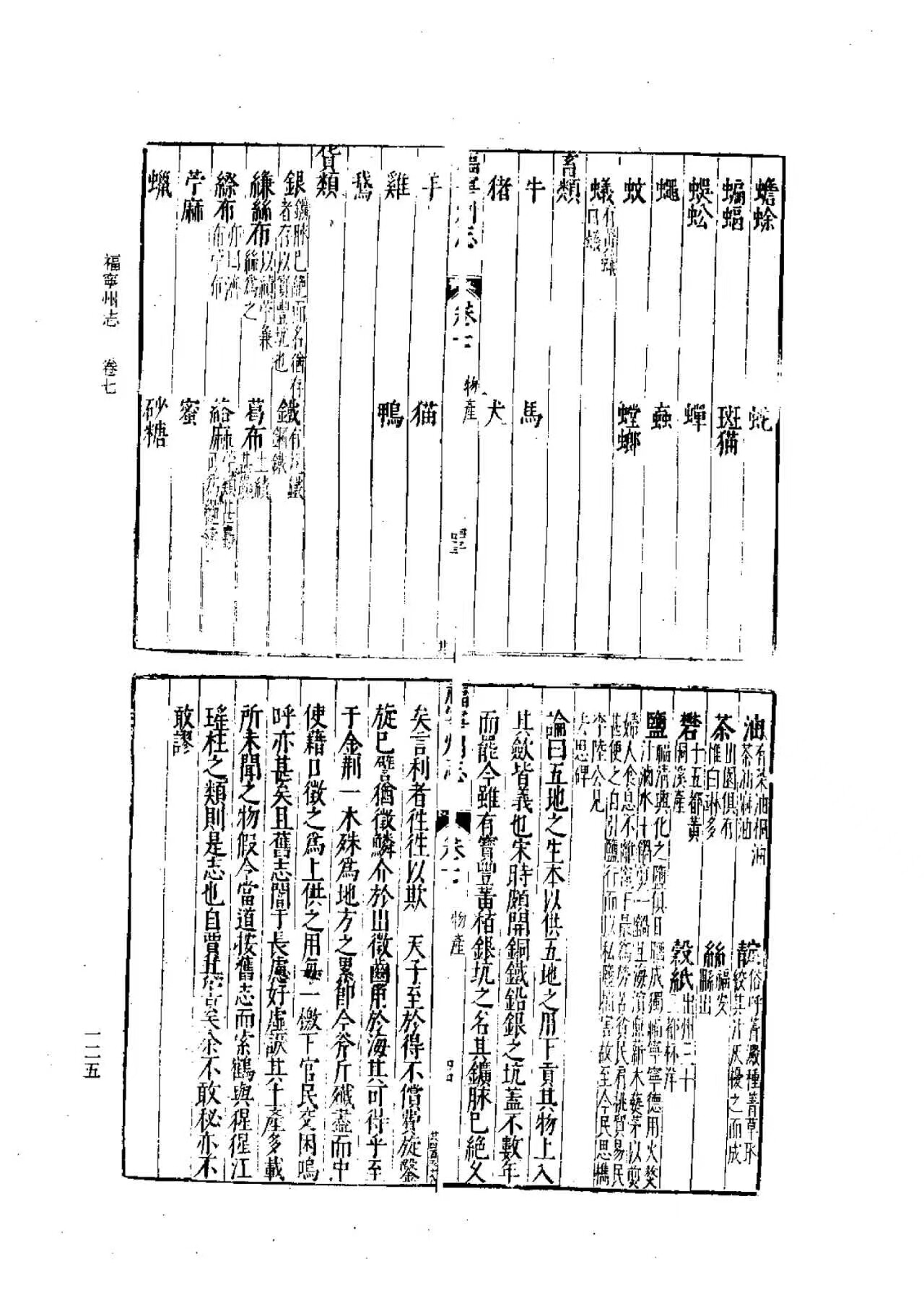
Bailin Tea Industry ranked first in the entire prefecture during the Ming Dynasty.
During the Ming Dynasty, Funing Prefecture covered today's Xiapu, Ningde, Fu'an, Fuding, and Zherong counties in Fujian Province, as well as parts of Zhouning County. The phrase "mountains and gardens both had tea" indicates that tea cultivation was widespread across this vast area, while "only Bailin had the most" clearly placed Bailin at the top for tea production volume. This record serves as the earliest official local gazetteer certification of Bailin as a major tea hub in eastern Fujian.
Historical records indicate that Bailin was formerly known as "Yulin," located in the central part of China's southeastern coast. During the Ming Dynasty, this area was designated as a "tun suo" (military garrison), where soldiers were stationed to cultivate land and grow grain. In the second year of the Yongle reign (1404), Qiduwei Shao Xuangong arrived in Bailin Xinyang to lead the military farmers in tilling the fields. The implementation of the military field system provided institutional support and a population foundation for the large-scale development of local agriculture, including tea cultivation.
Ming Dynasty Fujian East Tea Had Already Entered Market Circulation
Notably, by the Ming Dynasty, tea from eastern Fujian was no longer limited to self-production and consumption but had entered trade circulation. According to the Wanli-era "Funing Prefecture Gazetteer" under the section on Food and Tribute: "Buds: 84 jin 12 liang, price 13 taels 2 qian 2 fen; Leaves: 61 jin 11 liang, price 1 taels 4 qian 7 fen 9 li." The significant price difference between bud tea and leaf tea—several times over—indicates that a refined tea grading system and market-based pricing mechanism were already in place at the time.
The Ming Dynasty Jiajing edition of the "Funing Prefecture Gazetteer · Food and Goods · Tribute" (Year 1538) also records specific prices for bud tea and leaf tea, indicating that by the first half of the 16th century, Funing Prefecture had already established a stable commodity circulation system for tea. At that time, Fuding possessed an extensive coastline and ports, providing favorable conditions for tea trade; the period of tea entering commercial circulation can be traced back to the early stage of capitalism in the Ming Dynasty.
Bailin Tea's advantages persisted into the Qing Dynasty and left a lasting impact.
Bailin's tea production advantage in the Ming Dynasty was not short-lived. In the 27th year of Emperor Qianlong's reign in the Qing Dynasty (1762), the "Funing Prefecture Gazetteer" clearly recorded: "Tea is produced in both the prefecture and its seat; the finest comes from Bailin, Fuding." From being known as "the largest producer in the Ming Dynasty" to "the premier quality source in the Qing Dynasty," Bailin achieved a dual leap—from highest volume to best quality.
In the 32nd year of the Guangxu reign (Year 1906), the "Fuding County Local Gazetteer" further recorded: "Tea is the county's major product. Taomu produces green bud tea, and Bailin produces white hair tea. Both are exquisitely crafted and rank as the finest among all markets." In the late Qing Dynasty and early Republic era, tea merchants from various regions gathered in Bailin to procure tea, establishing dozens of tea shops. Today, historic tea houses such as Tongshun Tai, Zhan Guangtai, Shuangchun Long, and Shengli Long continue to operate in Bailin. Bailin Gongfu black tea is renowned alongside Tanyang Gongfu and Zhenghe Gongfu as one of the "Three Great Fujian Gongfu Teas." Meanwhile, the historic Bailin White Hair has evolved into Silver Needle tea, now distributed across the nation.
From the Ming Dynasty's Wanli era, when "tea gardens were abundant in Bailin," to the Qing Dynasty's recognition of "Bailin as a premier tea source in Fuding," and into modern times with the global acclaim of "Bailin Gongfu" black tea, Bailin's tea industry has thrived for centuries. A 400-year-old historical record not only highlights Bailin's leading role in the Funing Prefecture tea landscape during the Ming Dynasty but also provides solid documentary evidence supporting the rich heritage of today's Fuding White Tea and Bailin Gongfu Black Tea.