Brand News & Tea Culture Insights
Wherever people gather, from the north to the south, there is a cup of clear tea. An old teahouse is never just a place to rest and sip tea; it is a microcosm of local life, a vessel for everyday human stories, and a living fossil of regional tea culture forged over centuries. Traveling across China, visiting these renowned historic teahouses, you taste the tea in your cup but read the vibrant tea world hidden within the smoke and bustle of daily life.
"Tea is grown in mountain gardens everywhere, but Bailin has the most." — This passage from a historical chronicle, sealed for over 400 years, highlights Bailin Town's unique position on the Eastern Fujian tea map.
Recently, Fujian Tongshuntai Tea Industry Co., Ltd. (hereinafter referred to as "Tongshuntai") brought Fuding White Tea to the Embassy of the Federal Republic of Nigeria in China and was officially recognized as the embassy's recommended tea. This honor not only highlights Tongshuntai's exceptional quality as a time-honored brand from Fuding but also marks a new step forward in deepening Sino-African cultural exchange and advancing the Belt and Road Initiative.
Join our annual Spring Tea Tasting Event and savor the first cup of spring tea.
From water temperature to steeping time: A detailed guide to the key factors for brewing white tea.
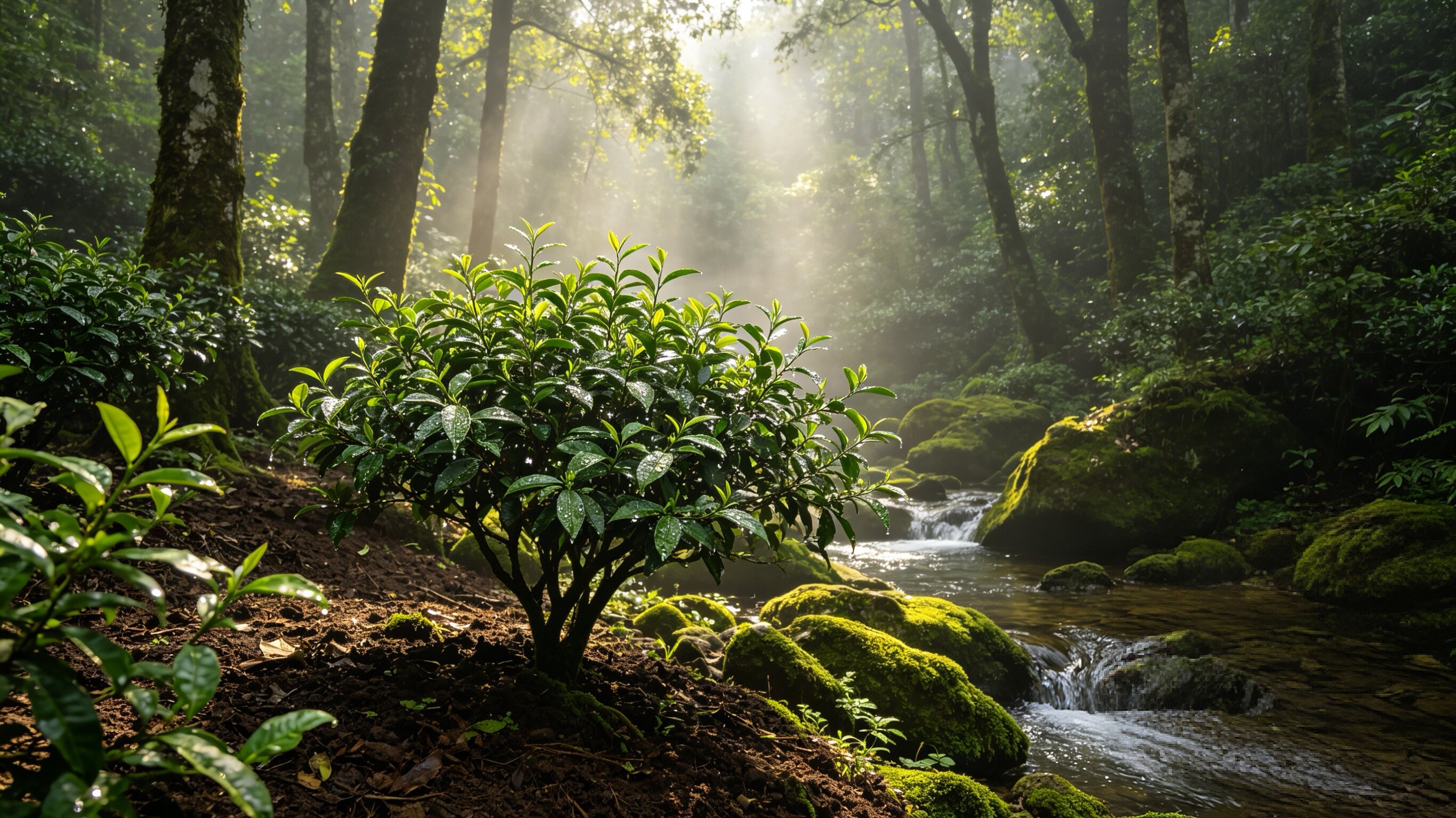
Visit Fuding's core production area to learn about the natural environment where white tea grows.
The new teahouse space is now open, blending traditional and modern design.
White tea is the most natural among China's six major tea categories. With no roasting or rolling, it relies on natural withering and sun drying to preserve the tea's original compounds, earning it the title "living tea." Over centuries, white tea has evolved from a folk remedy into a refined daily beverage, where ancient wisdom and modern science alike affirm its unique health benefits. Note: White tea is a wellness drink and should not be used as a substitute for medical treatment.
100-year Tongshun Tai Ancient Charcoal-Roasted Aged White Tea: Sun-withered, slow-roasted over fruitwood charcoal fire, and naturally aged in a well-ventilated storage warehouse. Dry leaves are dense with fine hairs; the liquor is amber and glossy. Offers layered notes of honey, aged, and medicinal aromas. Smooth, thick, and mellow texture with gentle warmth. Highly durable for brewing and simmering—an active, time-honored aged white tea.
Zhang Guangtai Brand Active Wild Mountain White Tea. Inheriting the century-old craftsmanship of Bailin's renowned tea house, this tea features wild-grown mountain leaves and a full-process active technique that locks in enzymes to preserve the tea's natural mountain character. The dry leaves exhibit rugged, wild texture with rich orchid and wild floral aromas. The liquor is amber-clear and golden, robust in qi, fresh and full-bodied with honeyed sweetness and a cooling finish, offering rapid aftertaste and excellent brewing endurance. Naturally aged in a dry warehouse, it grows more fragrant with time—perfect for both drinking and collecting.
Zhanguangtai Active Old Bush White Tea. Inheriting over a century of white tea craftsmanship from Bailin, it features high-mountain old bush leaves and an all-chain active processing method that preserves the tea's natural enzymes, allowing the leaves to breathe and age continuously. The dry leaves are robust with a rich woody aroma; the amber-hued liquor is mellow, smooth, and sticky-sweet with a lingering aftertaste that promotes salivation. Highly durable for brewing and suitable for both drinking and collecting. Naturally aged in a dry warehouse, it improves with time—perfect for tasting or storing.
Zhan Guangtai originates from the century-old Guangtai Tea House in Bailin, Fuding. Its Tongshun Tai premium ancient bush series adheres to a full-chain active processing method. It selects raw materials from high-mountain ancient bush tea trees in Bailin. Without pan-firing or rolling, it uses solar composite withering combined with traditional slow-roasting over low heat. This preserves the tea's natural active enzymes to the greatest extent, endowing the leaves with lasting potential for post-fermentation transformation and honoring the brewing heritage of old tea houses.
In the history of Fujian tea, one place stands out for being inscribed on tea leaves in the simplest yet most solemn way: Bailin. During the Qing and Republican eras, teas produced in this area were collectively known as "Bailin Tea" under Fujian's origin-based naming system. This was far more than a mere label; it was a cultural declaration that established the region's recognized status within the industry. When a place name becomes synonymous with the quality and reputation of a tea type—when consumers and merchants instantly recognize "Bailin" as a mark of excellence—that land transcends its geographical identity to become a symbol of quality itself.
How far a leaf can travel depends on the value people place on it.
When people think of traditional teahouses in China, Beijing's Lao She Teahouse often comes to mind first. Over a thousand miles away, on the historic Bailing Street in Fuding, Fujian Province, stands Tongshuntai, a century-old tea house founded in 1885 (1885). This has given rise to the saying: "In the north is Lao She Teahouse; in the south is Tongshuntai."
Mist-diffused light in Fuding creates a low phenol-to-amino acid ratio, delivering fresh and mellow white tea. Intense high-altitude sunlight in Yunnan yields a high phenol-to-amino acid ratio, building a full-bodied and robust structure for its white tea.
If the vibrancy of Fuding lies in the majestic mountains and seas of Taimu Mountain, then Bailin is a thousand-year-old tea town hidden among the mountains of Eastern Fujian, where time moves at a slightly slower pace.
Traditionally, tea is brewed and consumed as a beverage. For centuries, the tea industry has centered on whole-leaf tea: cultivation, processing, and sales of dry leaves, with consumption primarily in homes, tea rooms, and business gifting. However, as consumer habits evolve, transforming tea into food ingredients is becoming a key direction for China's tea industry upgrade. Tea is no longer limited to cups; it now serves as an ingredient in snacks, cold drinks, pastries, and ready-to-drink beverages, shifting from "drinking tea" to "eating tea." Leading this transformation are varieties like Fuding White Tea. The industry is actively exploring this path while facing opportunities, contradictions, and real-world challenges.
Tongshuntai Bailin Gongfu Black Tea originates from the century-old Bailin tea house established in 1885, reviving the traditional craftsmanship of Bailin Gongfu, one of the three renowned Fujian Red Gongfu teas. Founded on Bailin's historic street during the late Qing Dynasty, Tongshuntai was a leading exporter, shipping tea across the ocean and witnessing the golden age of Fujian's maritime tea trade. Today, we have restored these traditional methods to recreate the authentic, classic flavor of genuine Bailin Gongfu.
In recent years, a curious trend has emerged in the tea community: those who claim to "know tea" often take sides between Pu'er and Yancha. The former emphasizes aging potential, with frequent references to mountain origins, ancient trees, and pure varieties; the latter highlights its distinctive mineral backbone and floral aroma, debating distinctions like "true rock," "semi-rock," and specific valley locations in increasingly esoteric terms. It seems that without experiencing both, one is considered disconnected from the essence of tea culture.