In the Name of the Land: Bailin Tea and the Glory of an Era's Tea Industry
In the history of Fujian tea, one place stands out for being inscribed on tea leaves in the simplest yet most solemn way: Bailin. During the Qing and Republican eras, teas produced in this area were collectively known as "Bailin Tea" under Fujian's origin-based naming system. This was far more than a mere label; it was a cultural declaration that established the region's recognized status within the industry. When a place name becomes synonymous with the quality and reputation of a tea type—when consumers and merchants instantly recognize "Bailin" as a mark of excellence—that land transcends its geographical identity to become a symbol of quality itself.
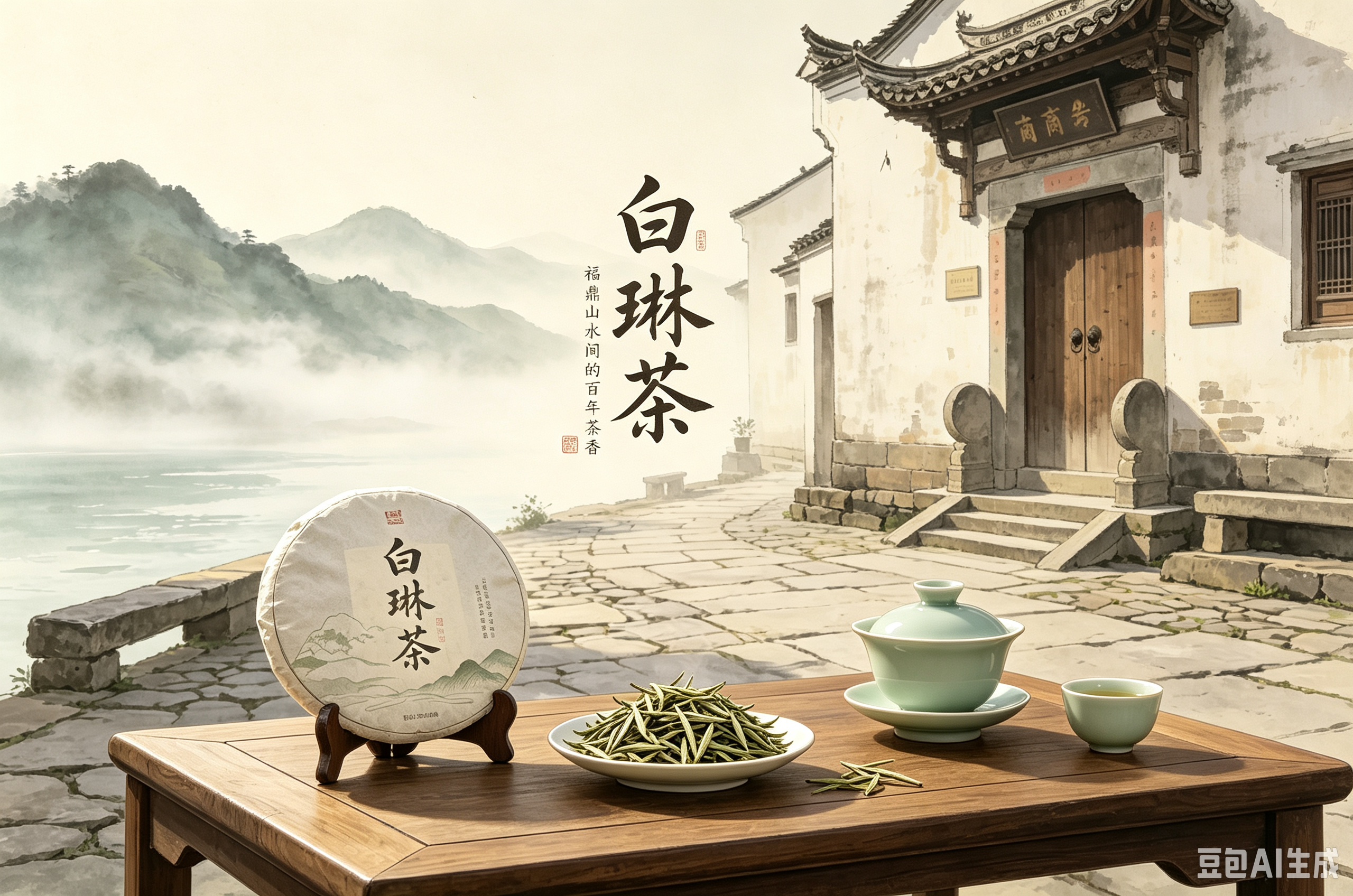
In the history of Fujian tea, one place stands out for being inscribed on tea leaves in the simplest yet most solemn way: Bailin. During the Qing and Republican eras, teas produced in this area were collectively known as "Bailin Tea" under Fujian's origin-based naming system. This was far more than a mere label; it was a cultural declaration that established the region's recognized status within the industry. When a place name becomes synonymous with the quality and reputation of a tea type—when consumers and merchants instantly recognize "Bailin" as a mark of excellence—that land transcends its geographical identity to become a symbol of quality itself.
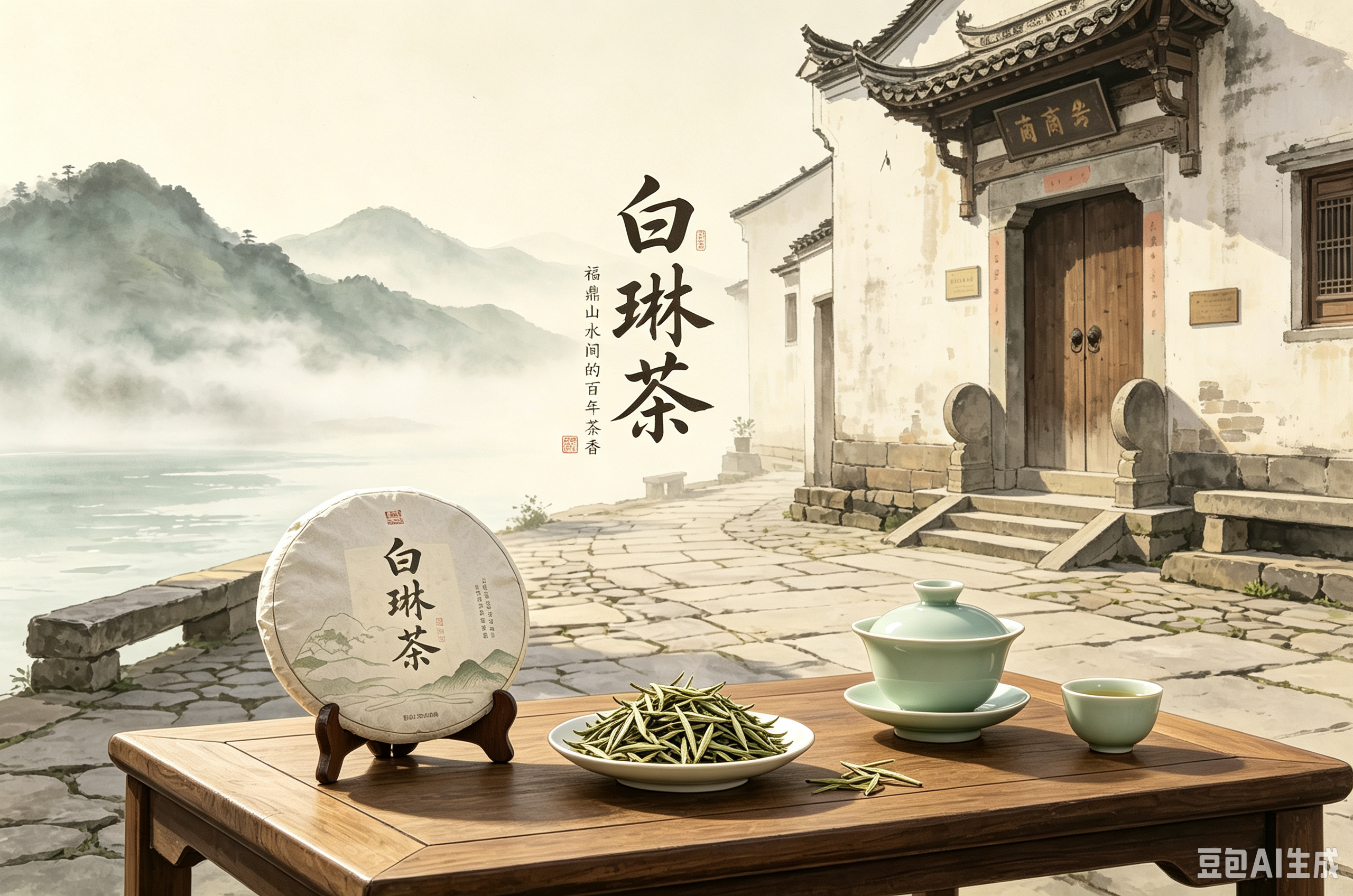
The history of tea production in Bailin extends far beyond the Qing and Republican periods. According to the "Funing Prefecture Gazetteer," compiled by Li Ba, the prefect of Funing: "Tea is grown throughout the prefecture and its seat; the finest comes from Fuding Bailin." These few words alone place Bailin tea at the top of the region. By the Qianlong era of the Qing Dynasty, Bailin tea was already renowned. During the Guangxu era, annual exports of Bailin black tea reached 2 million cases, with each case weighing 50 jin, shipped as far as Shanghai and overseas. Tea merchants from Fujian and Guangdong flocked to Bailin as a distribution hub, establishing offices to purchase tea directly. That a small mountain town in eastern Fujian could attract merchants traveling from north and south to gather there stands as the most direct testament to Bailin tea's prominence.
What truly propelled "Bailin" to prominence in the tea world was the rise of Bailin Gongfu black tea. Originating around the 19 century, 50 decade, its crafting techniques were developed during the Qing Dynasty. Made from Fuding Big White Tea and Big Hao Tea, Bailin Gongfu undergoes withering, rolling, fermentation, and other processes to produce long, slender, curved leaves with a fresh, pure aroma of downy hairs and a light, bright liquor that blends notes of downy hair, flowers, and fruits. However, what cemented its status was its industry recognition as one of the "Three Great Fujian Gongfu Teas," alongside Tan Yang Gongfu and Zheng He Gongfu. Among them, Bailin Gongfu once held the top position—"Guan" (冠) means first. This distinction not only reflects exceptional quality but also represents the highest commendation for the comprehensive strength of an entire production region.
The late Qing and early Republic of China marked the golden age of Bailin tea. At its peak, the historic Bailin Tea Street stretched 1.2 kilometers, paved with bluestone slabs and lined with wooden-tiled buildings in a dense row. During this era, tea merchants from outside Bailin established numerous shops here, giving rise to 36 well-established tea houses engaged in green tea trading, production, processing, and sales. Renowned firms such as Run Lisheng Hao, Tong Shun Tai, Zhan Guangtai Hao, Shuang Chun Long, and Sheng Li Long exported Bailin Gongfu black tea and Bailin Baihao (now known as Silver Needle) to Europe and America, significantly boosting the reputation of Bailin's tea-producing region. By the mid-Republic period, Bailin Gongfu was even shipped in large quantities to Europe, winning the favor of the British royal family. For tea from a small Chinese town to reach European courts stands as the highest honor ever bestowed upon the name "Bailin."
The significance of the appellation "Bailin Tea" lies precisely here. It was not imposed by administrative decree but forged through market forces and time. When a place name independently signifies a product's quality standard, and when consumers rely on that origin as a guarantee of quality, the name has earned brand value. During the Qing and Republic eras, Bailin Tea played this exact role in Fujian's tea industry: it was not only synonymous with Fuding tea but also the benchmark for red tea quality in Eastern Fujian. From the Qianlong era's description of its finest as "Fuding Bailin," to selling 20,000 cases annually by the Guangxu period, to its widespread export to Europe and America during the Republic era—the weight of the name "Bailin" was repeatedly validated and affirmed through generations of tea growers and countless shipments across the seas.
Looking back at this history, the naming of "Bailin Tea" may seem simple, yet it embodies an era's reverence for quality and trust in its origin. When a place name becomes a guarantee of excellence, it represents the most profound and moving covenant between the land and its produce. The glory of Bailin Tea during the Qing and Republican periods belongs not only to Bailin but to the entire Fujian tea industry—a golden age marked by shining stars.
Yellow and Red Heart