
A New Path for the Tea Industry: From Selling Tea to Selling Spaces, Then Time
How far a leaf can travel depends on the value people place on it.
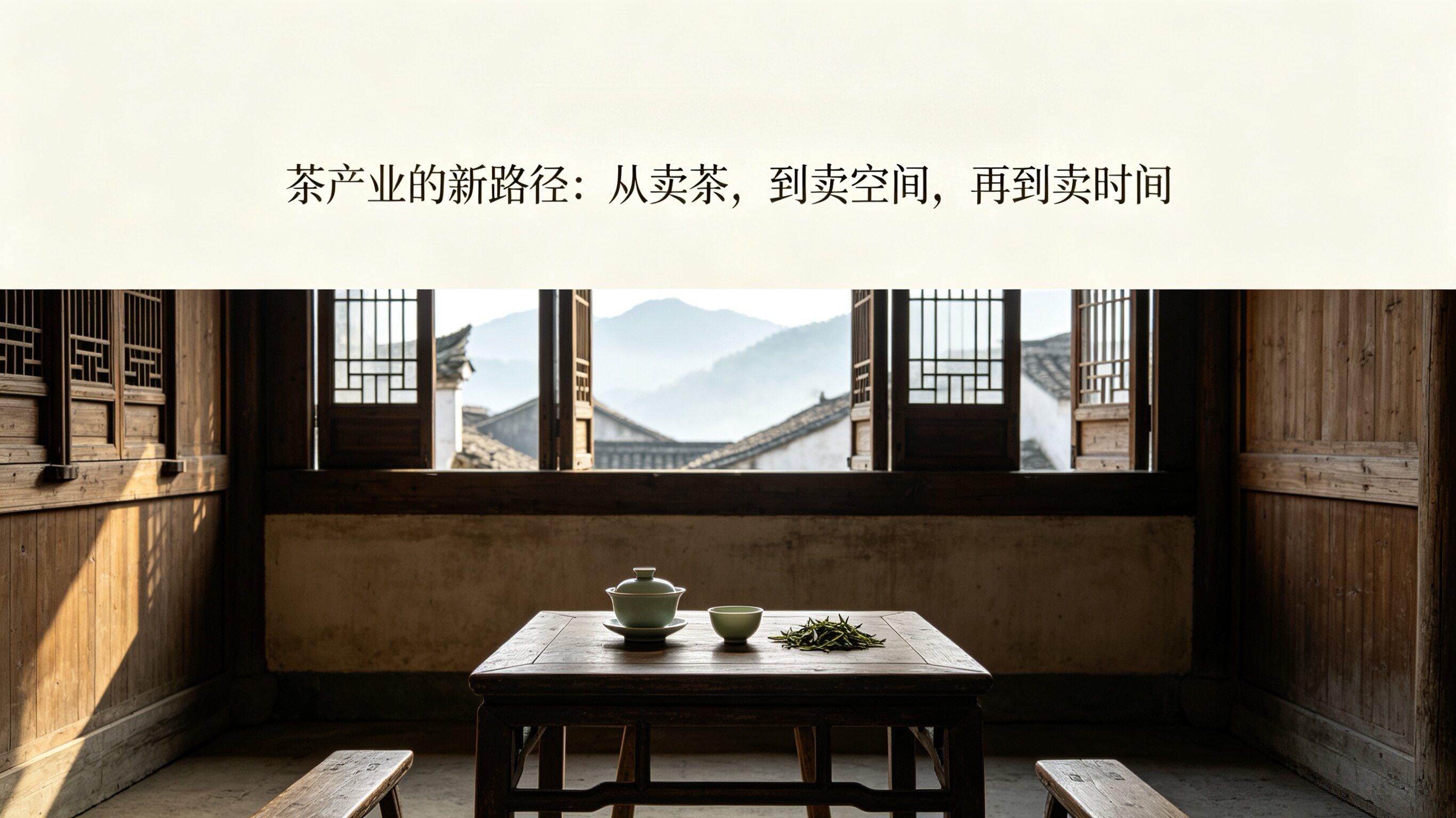
In Yulin Village, Bailin Town, Fuding City, a traditional tea house named Tongshuntai has been restored from an old residence featuring green bricks, gray tiles, and wooden windows. Outside the window, the historic Bailin Tea Street bustles with life and vibrant local energy. The story of this tea house mirrors a profound transformation in China's tea industry: shifting from selling tea to selling spaces, and now, selling time.
1. Selling Tea: Yesterday and Today of Bailin Ancient Tea Street
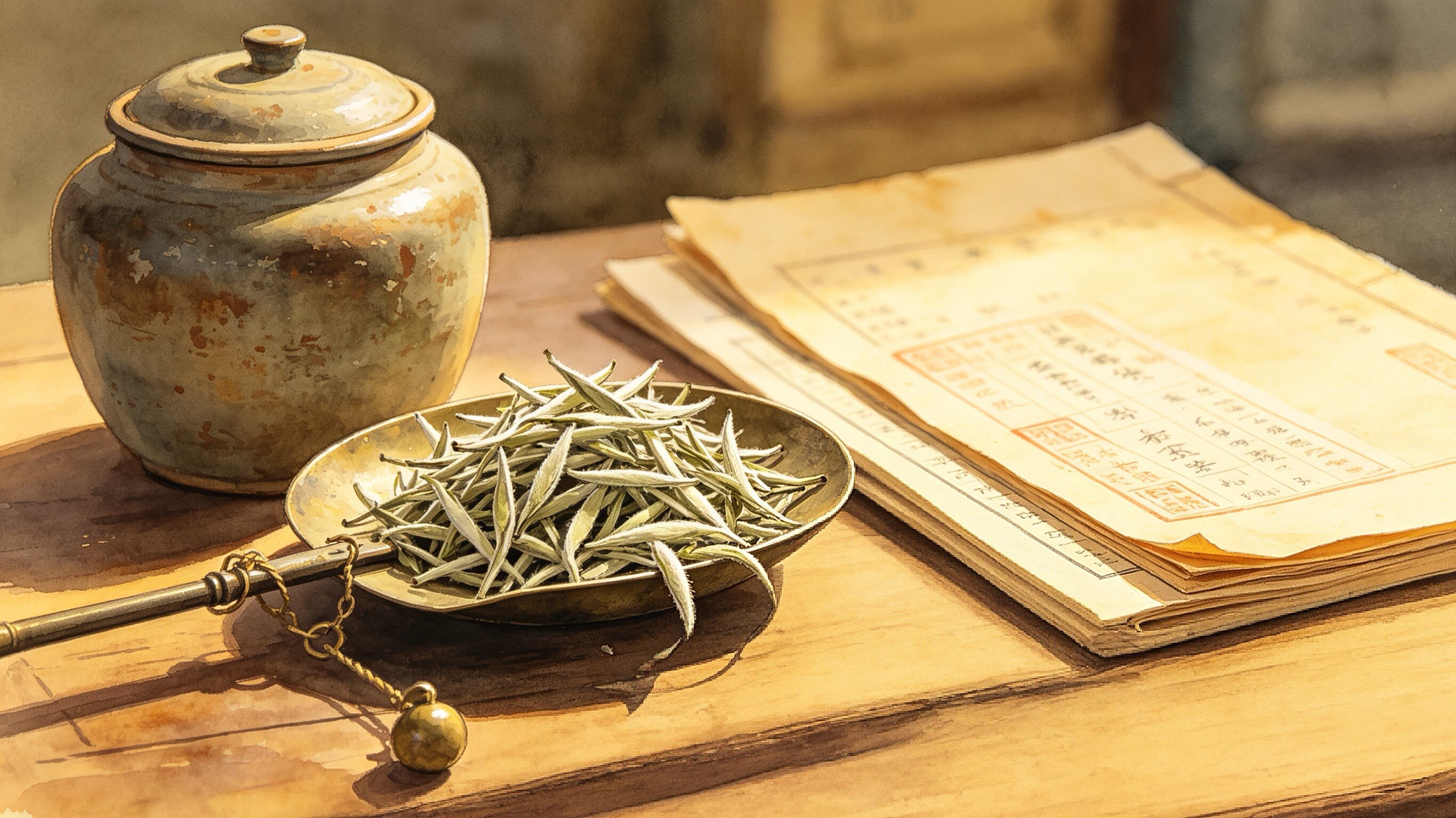
Bailin Ancient Tea Street spans 1.2 kilometers and has a history of nearly 300 years. It was once the birthplace of Fuding's tea trade, Bailin Gongfu black tea, and new-style white tea. Elderly residents recall, "As children walking down this street, the air was filled with the aroma of tea."
However, as the focus of development shifted, "Tea Street" gradually lost its former prosperity. Tea is now sold merely as an agricultural commodity, with the supply chain ending at the point of sale—once merchants purchase the leaves, the old street falls silent. Sold by weight with transparent pricing and low added value, the industry's growth ceiling is clearly visible.
The turning point came in 2018. Guided by the principle of "restoring old structures to their original state," the ancient tea street in Bailin Town underwent renovation. In 2020, the street reopened for tea sales, and through a "renovation-in-lieu-of-rent" model, it gradually attracted 12 businesses. It was around this time that Tongshuntai launched its experiment—shifting from selling tea to selling space.
2. Selling Space: From "Shelves" to "Scenarios"
Tongshuntai's transformation hinges on "space reimagining."
Step into Tongshuntai Tea House, a historic residence styled after the Republic of China era. The interior displays vintage tea advertisements, old ledgers, and other artifacts from bygone days—including tea packaging, storage bags, and letter paper—each carefully curated to showcase the heritage of tea. Bailin Ancient Tea Street boasts nearly 300 years of history and once served as a major hub for the tea trade; this very building was formerly the site of an established tea house.
Yet history's weight hasn't created distance. Inside the bar, new tea drinks like White Tea Ice Cream, Cold Brew White Tea, and White Tea TEA Coffee are drawing young people in. "Old buildings shouldn't just be for show—they need to be usable and offer fresh experiences," says the owner of Tongshun Tai.
Today, Bailin Ancient Tea Street has transformed into a tea and tourism cultural district that is "readable, savorable, and immersively experiential." Visitors can try new-style teas, listen to stories of the old street, and enjoy hands-on tea-making and brewing. Tongshuntai also offers handmade activities such as tea soap crafting.
From "selling tea" to "selling space," Tong Shun Tai has achieved a leap in value. Consumers aren't just buying a pound of tea; they're purchasing an immersive cultural experience and stepping back into the charm of a century-old street. Spaces create experiences, and experiences drive premium pricing.
Data shows that Bailin Ancient Tea Street was bustling during holidays, with "at least 300 to 500 customers entering shops daily." In Fuding, there are nearly 20 new-style tea houses and cafes. In the first half of this year, Fuding received 568.27 million visitors, a 14.5% year-over-year increase; visitor spending reached 71.13 billion yuan, up 11.6% from last year. Rural "slow living" is becoming a new trend in cultural tourism.
3. Selling Time: From Experience to Memory
If you're the boss, your time belongs to employees, perhaps also to shareholders and society. If you're an employee, your time belongs to your boss. So when does time truly belong to you?
This hits a deep nerve for countless modern people. We're constantly pushed forward by time, rarely finding a moment truly our own—no need to reply to messages, rush to appointments, or play any role. Just sitting quietly, sipping tea, and zoning out for a while. A teahouse offers exactly that "exclusive time."
Tongshuntai sells exactly this kind of time.
"After experiencing it, their understanding of 'Fuding White Tea' is no longer just an unfamiliar product name on the shelf," says Tongshun Tai's manager. He believes that the memory and emotional connection forged through such interactions are far more enduring than simple transactions.
At Tongshuntai, visitors can sit at a tea table, order two cups of white tea, and enjoy conversation over a cup. Ms. Wu from Suzhou, Jiangsu, remarked, "It's so relaxing here!" After finishing her tea, she also purchased some souvenirs, saying, "The teas are innovative, and each variety has its own unique flavor."
Tongshuntai's manager said, "We aim to integrate tea into more everyday scenarios so more young people can experience its charm." "Unique offerings draw crowds; many visitors come specifically for this."
From selling tea to selling space, then to selling time, Tongshuntai has fundamentally transformed its value logic. Previously, tea's value lay in "drinking"—quenching thirst and savoring flavor. Today, its value lies in "being"—the kind of space you're in, the people you're with, and the moments you share. When consumers are willing to pay for "how long they stay," the business model evolves from product to experience, culminating in lasting memories.
Conclusion
How far a leaf can travel depends on the value people place on it.
From the century-old tea market on Bailin Ancient Tea Street to the immersive teahouse within Tongshuntai's ancestral home, Ningde's tea industry is undergoing a comprehensive transformation in spatial design, experiential innovation, and cultural enrichment. The story of Tongshuntai reveals that tea is no longer a linear business of "growing and selling"; it has evolved into a value revolution centered on scene creation, experience design, and time management.
The future of tea lies not in the fields, but in people's hearts. When a single leaf helps someone reclaim their own moment, its value can no longer be measured in pounds.